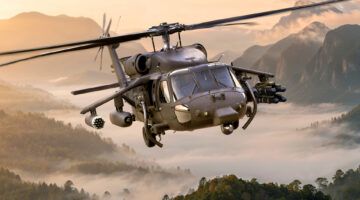
European-made Black Hawk gets an armed upgrade
New kits turn Black Hawks into attack Hawks in just three hours.

New kits turn Black Hawks into attack Hawks in just three hours.
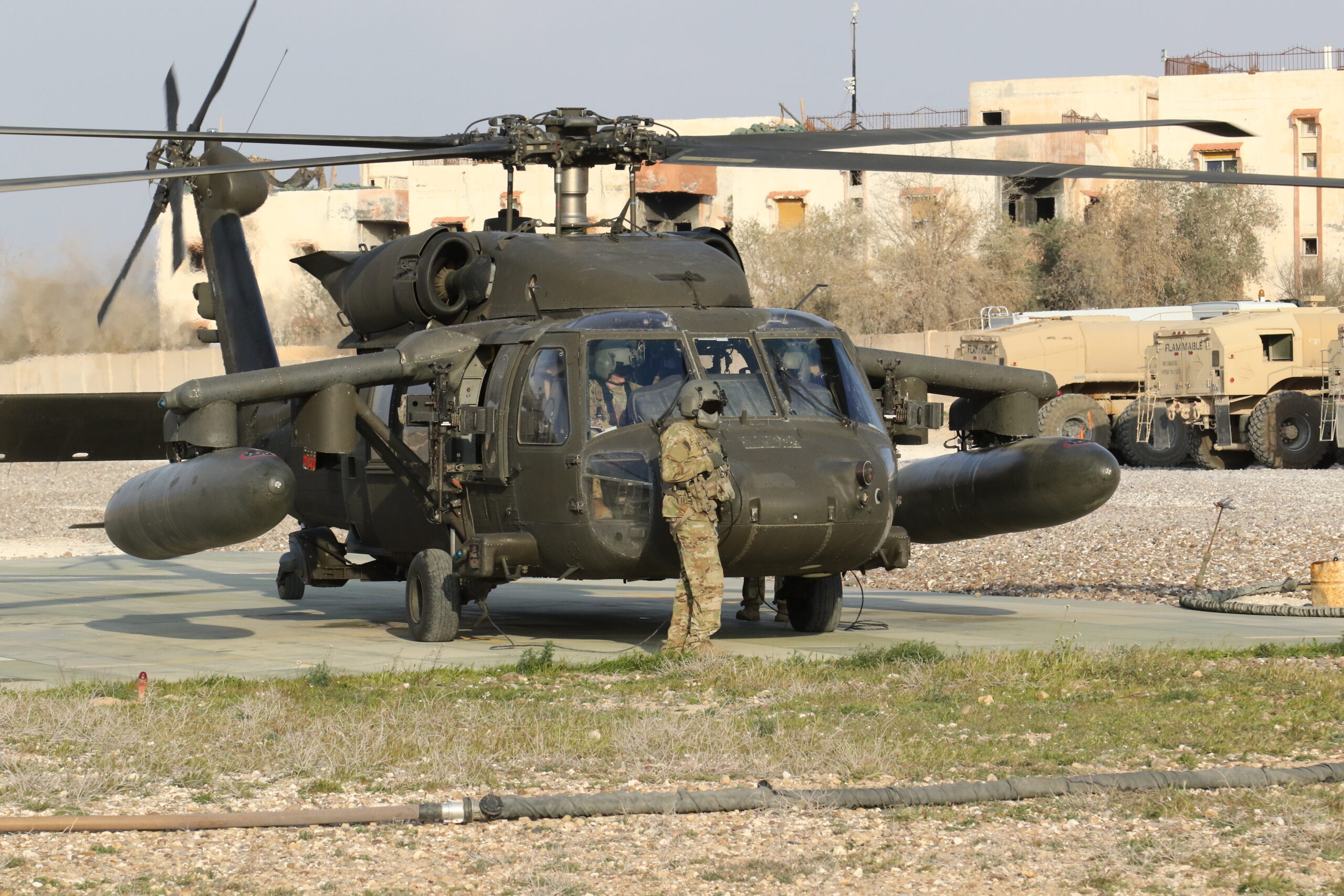
The news comes as Sikorsky’s 10th multiyear deal, awarded in 2022 by the Army, is set to conclude by the end of next calendar year.


New threats, including downstream attacks, drive the need for improved tools to protect critical assets.
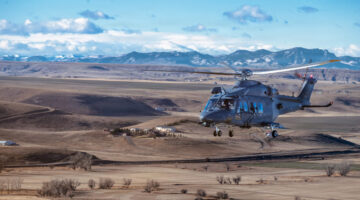
The Grey Wolf achieved initial operational capability Aug. 10, and will replace the Vietnam-era UH-1N to protect the Air Force’s nuclear missile fields.

BETA’s MV250 will use a hybrid-electric propulsion system developed in partnership with GE Aerospace and an autonomy stack supplied by Sikorsky for a wide range of military missions, according to company executives.

After the recent FY27 budget request drastically cut helicopter procurement funding, senior leaders and industry ensure foreign sales and reinvestment programs will keep the helo manufacturers afloat.

The Air Force in fiscal 2023 attempted to cap the Jolly Green II’s fleet at 75 aircraft, but lawmakers have pushed back.

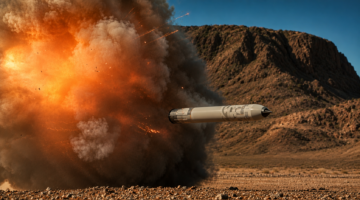
The goal of such weaponization is to tie warfighter needs to the RDT&E cycle.
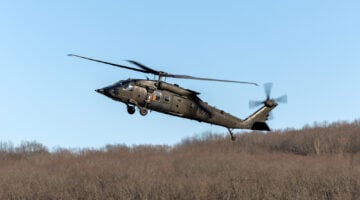
The H-60Mx Black Hawk has been in the works for over a decade and derived from DARPA's ALIAS program.

The Breaking Defense team walks you through the biggest news from day one of the conference.
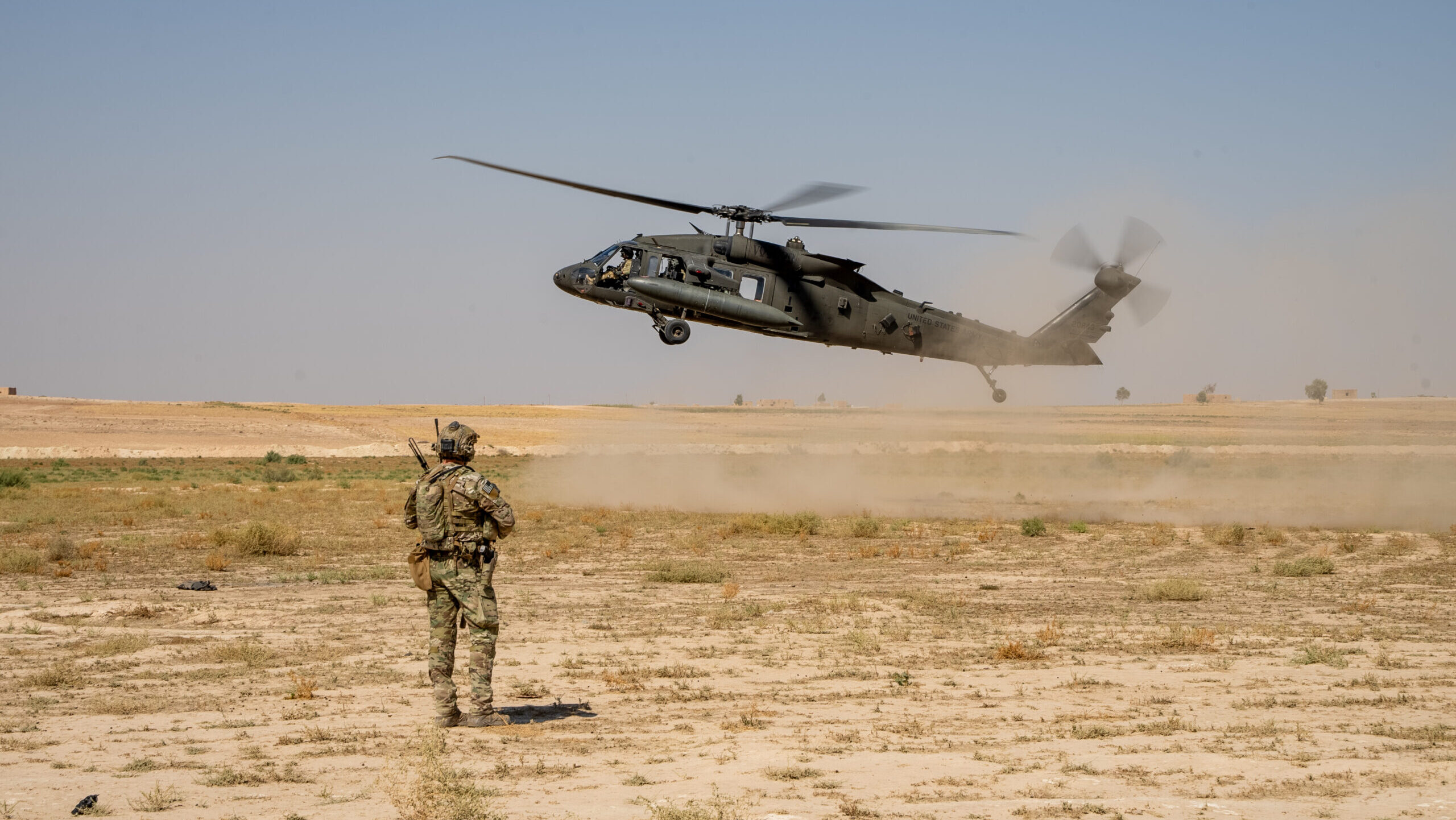
The service has previously said that the next buy of the UH-60Ms will be its last, but Brig. Gen. David Phillips said he foresees the fleet operating in the Army through the 2040s and 50s.

“Basically what we've done is we have taken a [UH60L] Black Hawk, and using our MATRIX autonomy system, have turned this aircraft into a UAS," Erskine “Ramsey” Bentley, director of strategy and business development for Sikorsky Advanced Programs, said.


Expanding manufacturing capacity is critical to producing missiles, radars, and launch systems.
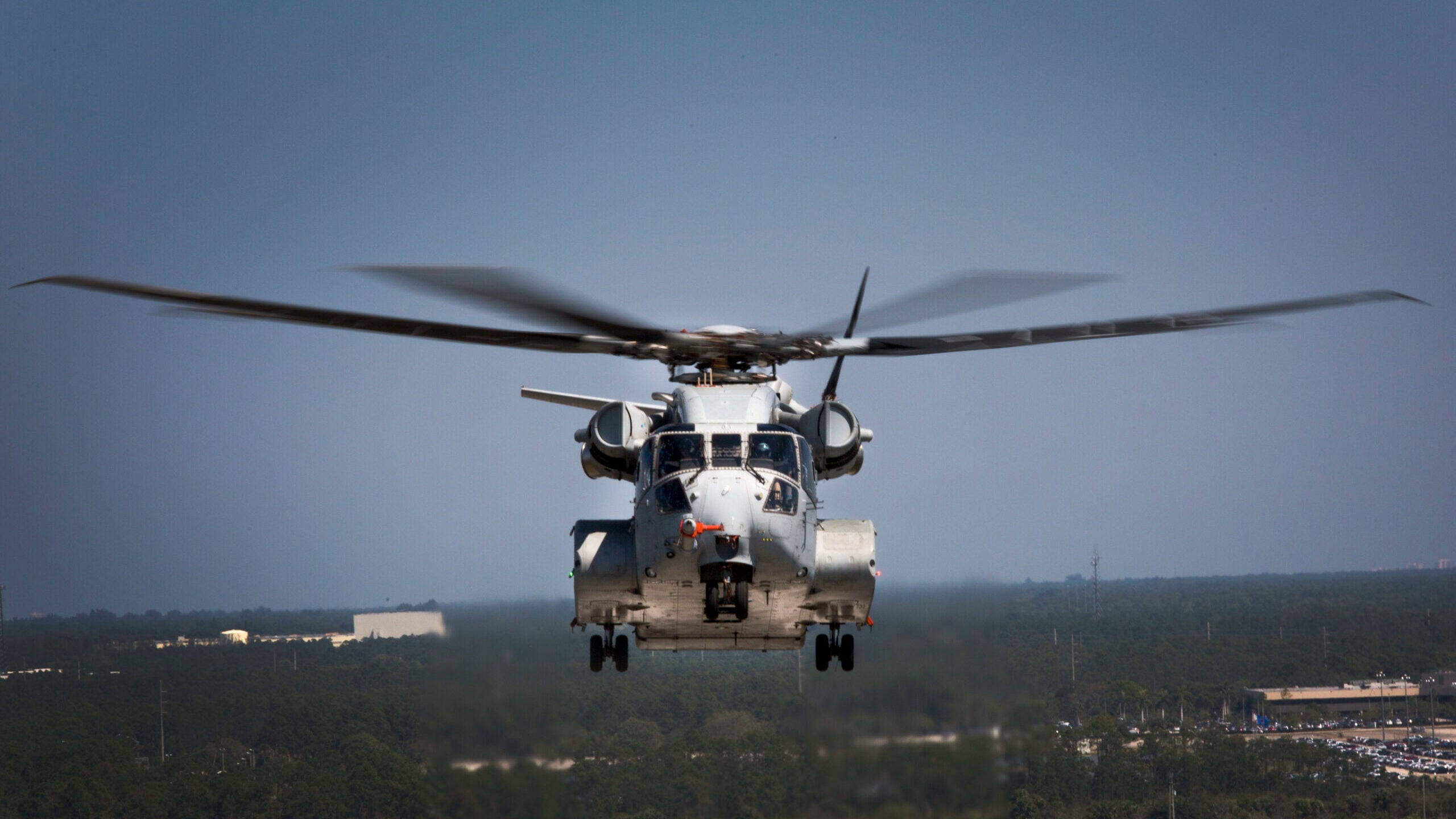
The new multi-year buy is the first of its kind for the program of record, which is slated to purchase 200 helicopters in total.
Oslo’s purchase of the HH-60W could help extend the helicopter’s production line after the US Air Force moved to end procurement of the platform in 2022.
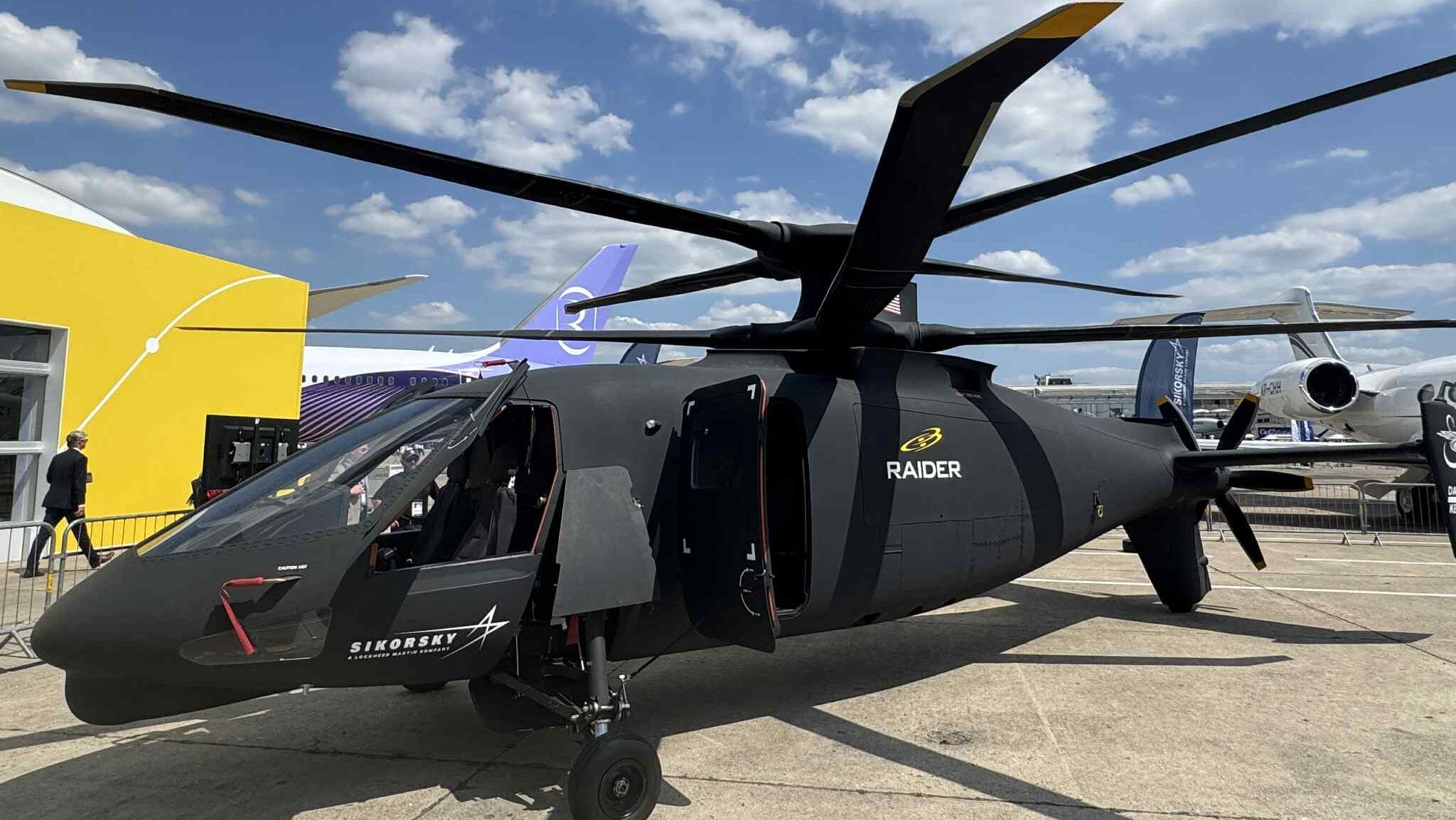
“Especially from an X2 standpoint, the largest procurement out there is really NGRC. And that recapitalization of the helicopter fleet in Europe is the largest thing we see today at least in the next five or 10 years,” said Sikorsky boss Rich Benton.
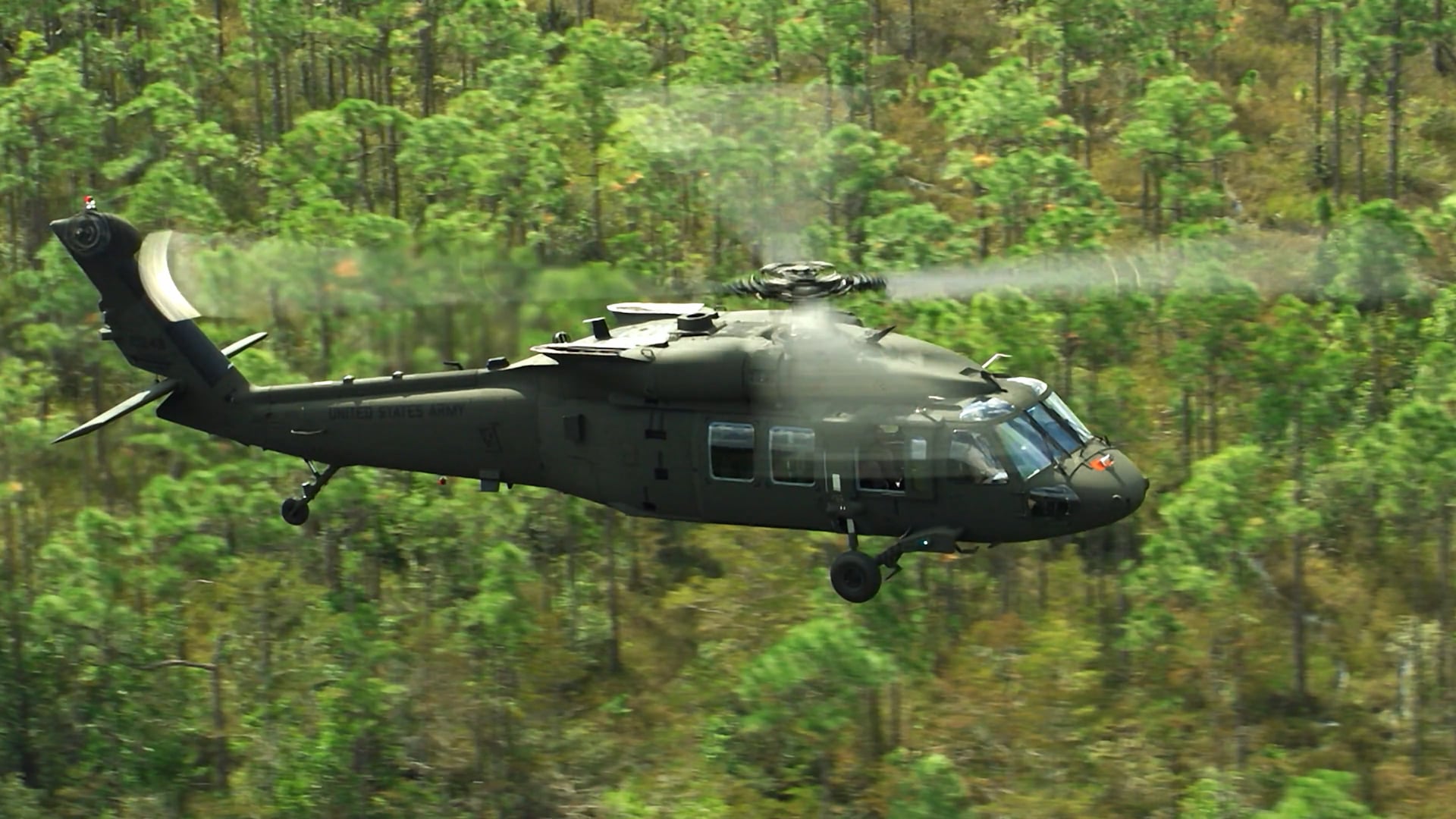
With a demonstrated ability to integrate capabilities in hours with MOSA, Black Hawk can give the Army a decisive advantage across theaters.